One Piece TCG Card Database
Browse the complete One Piece Trading Card Game database featuring over 2,000 cards from all booster packs and starter decks. Filter by color, rarity, or power level to find your next card.
2,188 cards
Browse all with filters →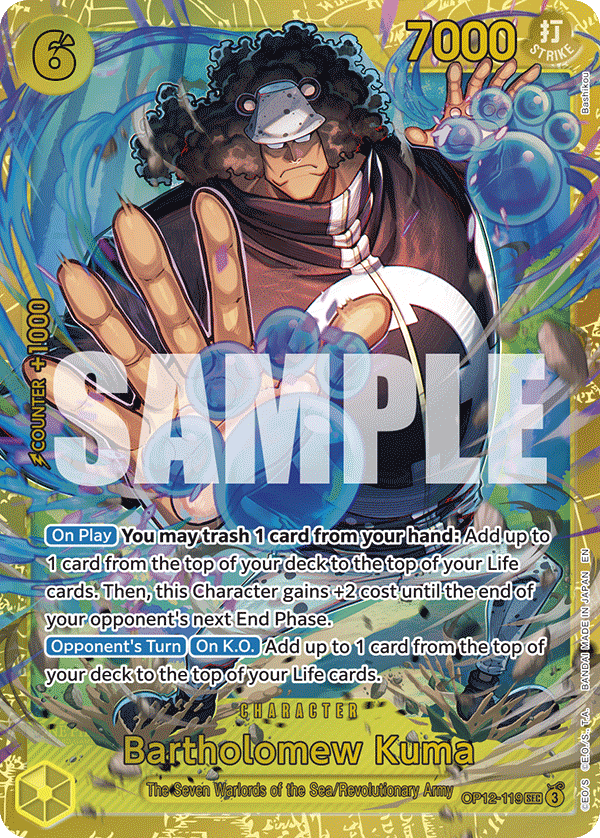
Bartholomew Kuma
SEC
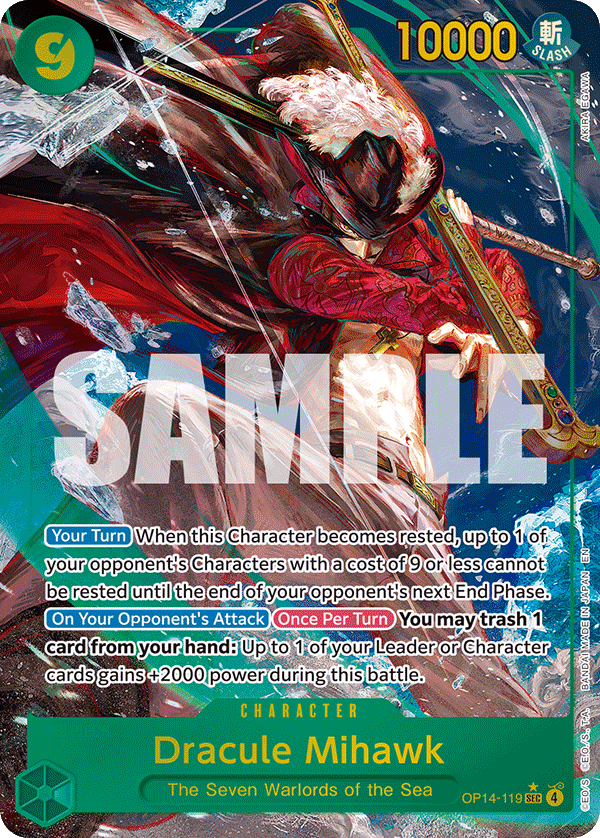
Dracule Mihawk - OP14-119 (Alternate Art)
SEC
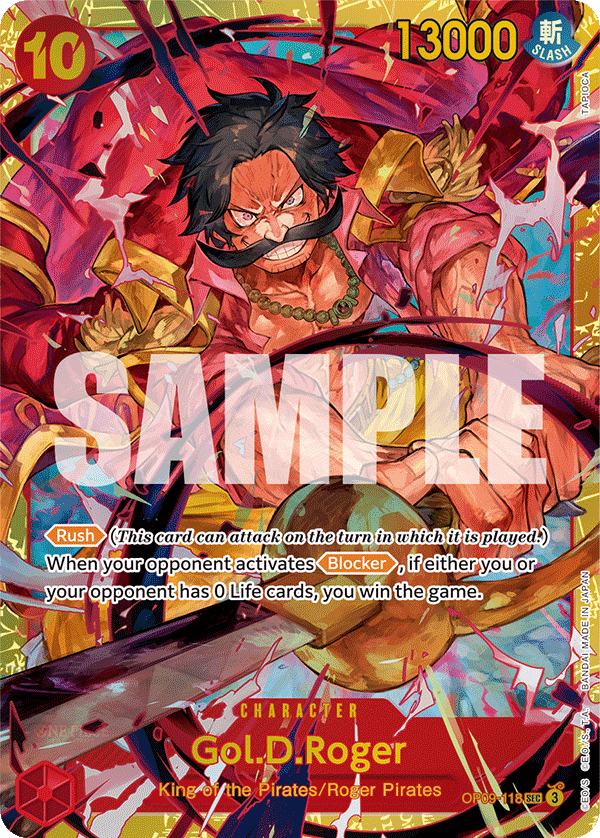
Gol.D.Roger
SEC
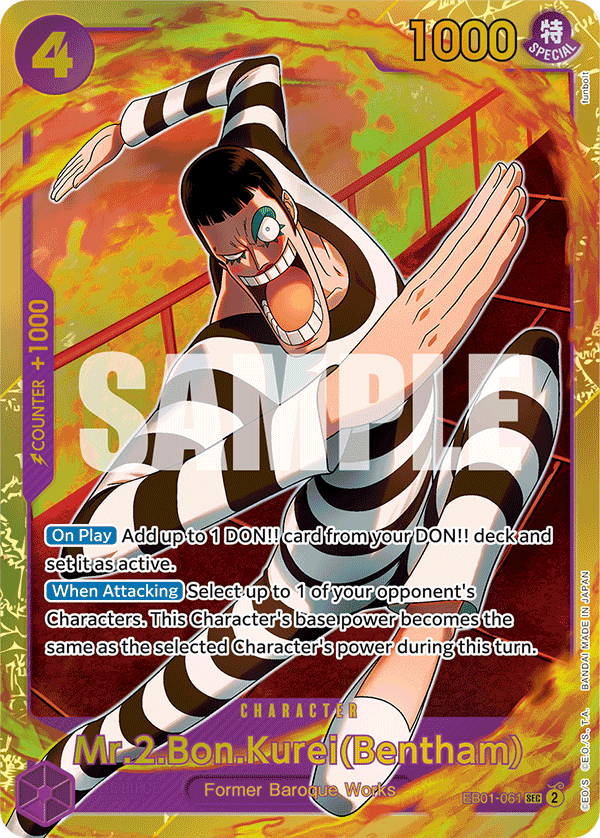
Mr.2.Bon.Kurei (Bentham)
SEC
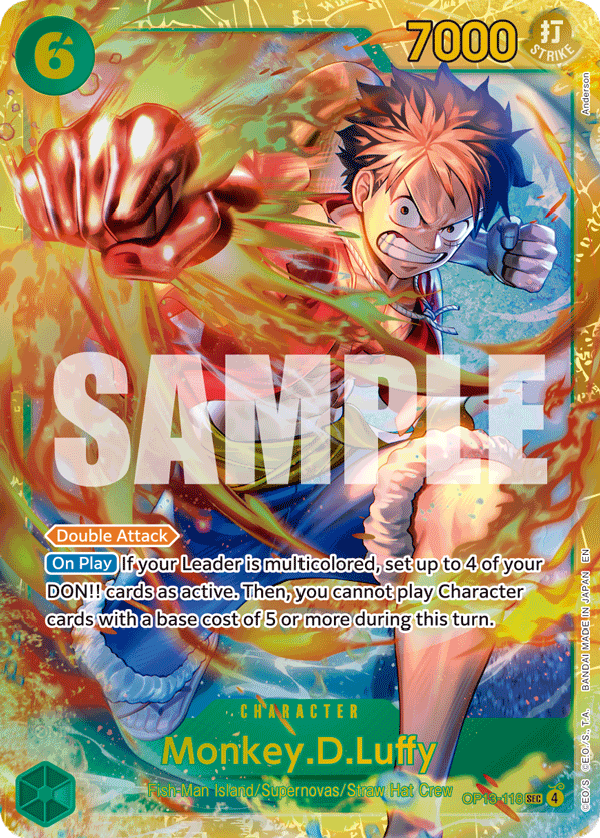
Monkey.D.Luffy (118)
SEC
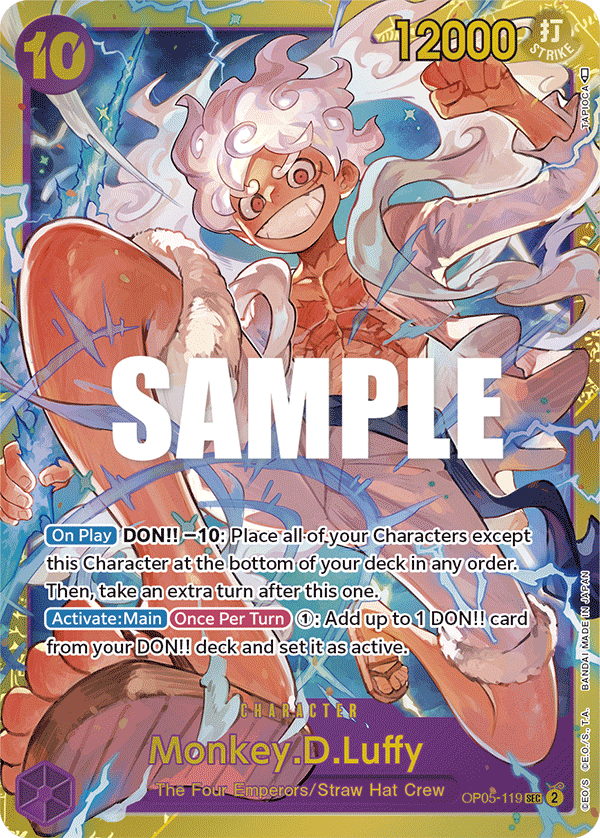
Monkey.D.Luffy (119)
SEC
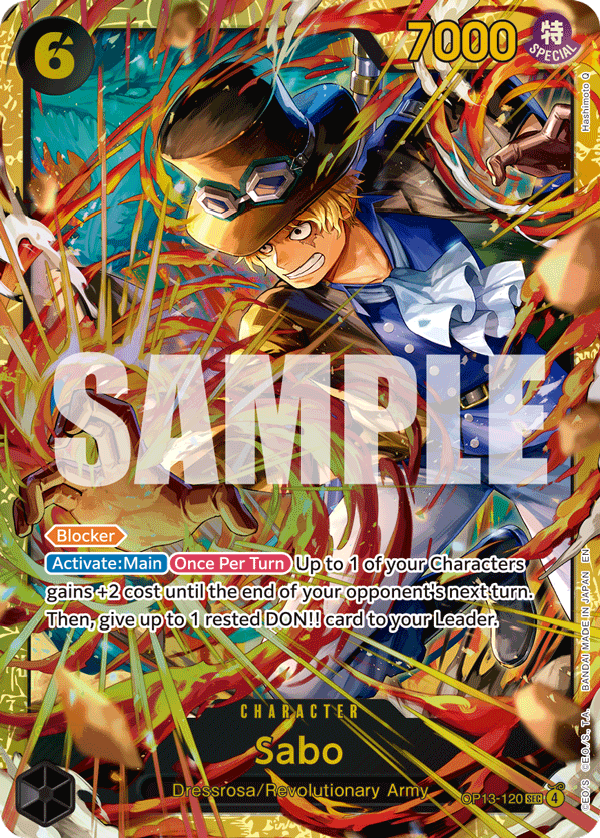
Sabo (120) (SP)
SEC
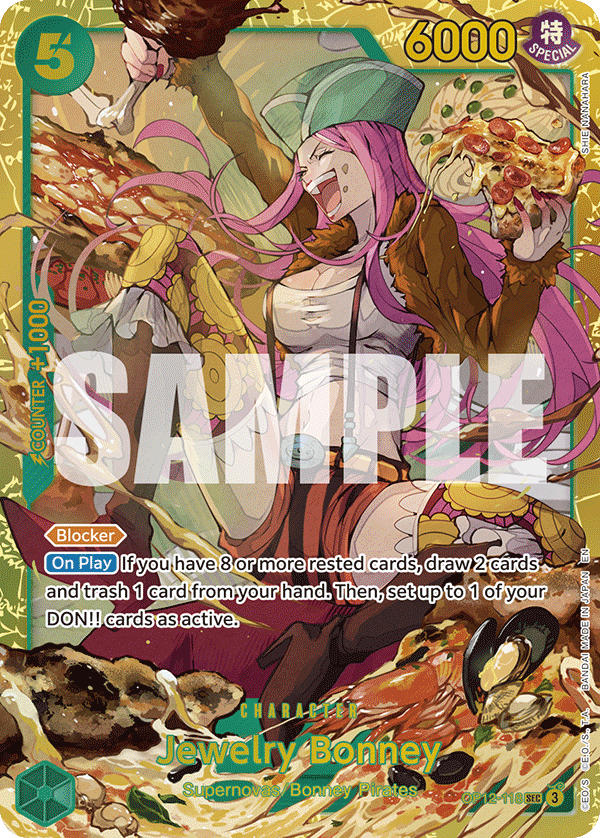
Jewelry Bonney (118)
SEC
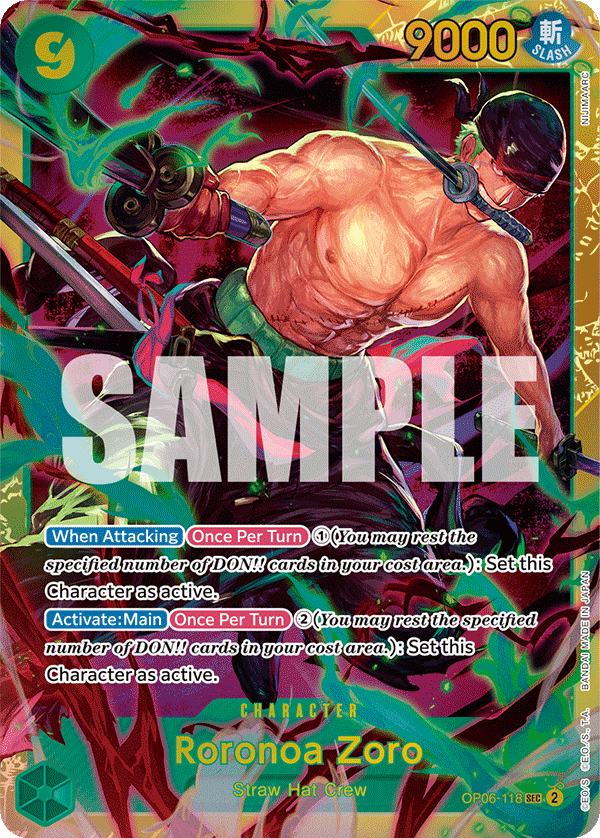
Roronoa Zoro
SEC
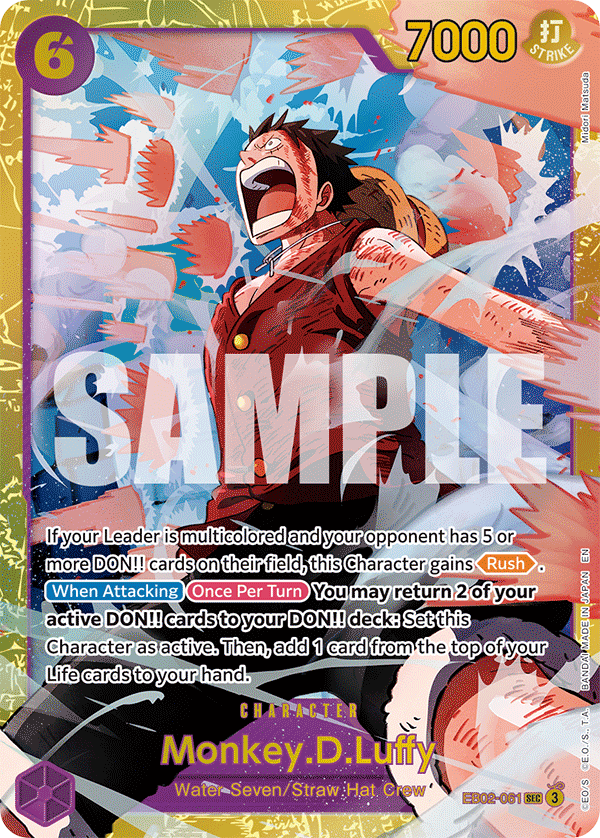
Monkey.D.Luffy (061)
SEC
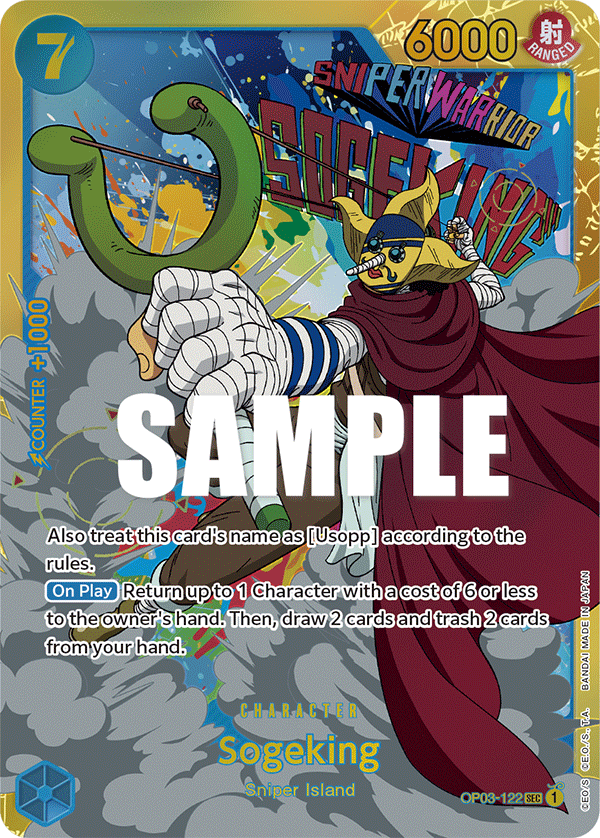
Sogeking
SEC
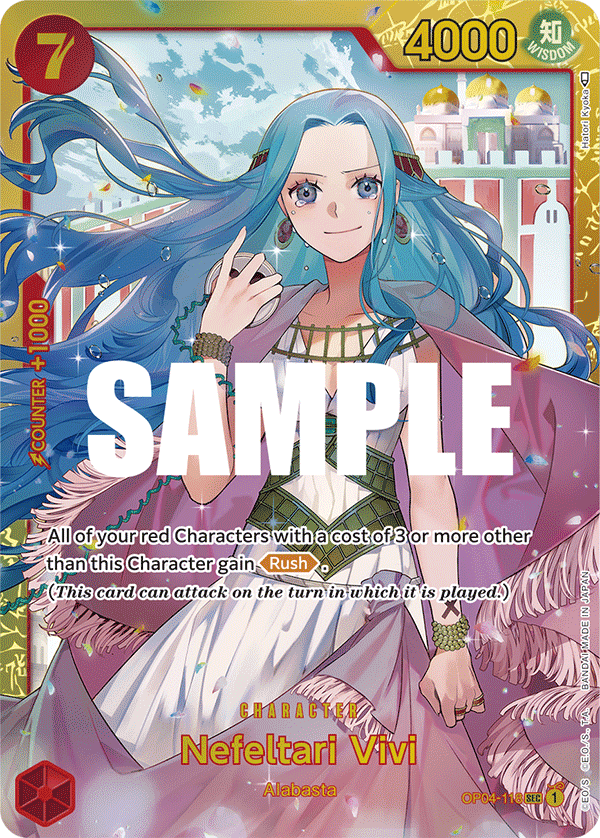
Nefeltari Vivi (118)
SEC
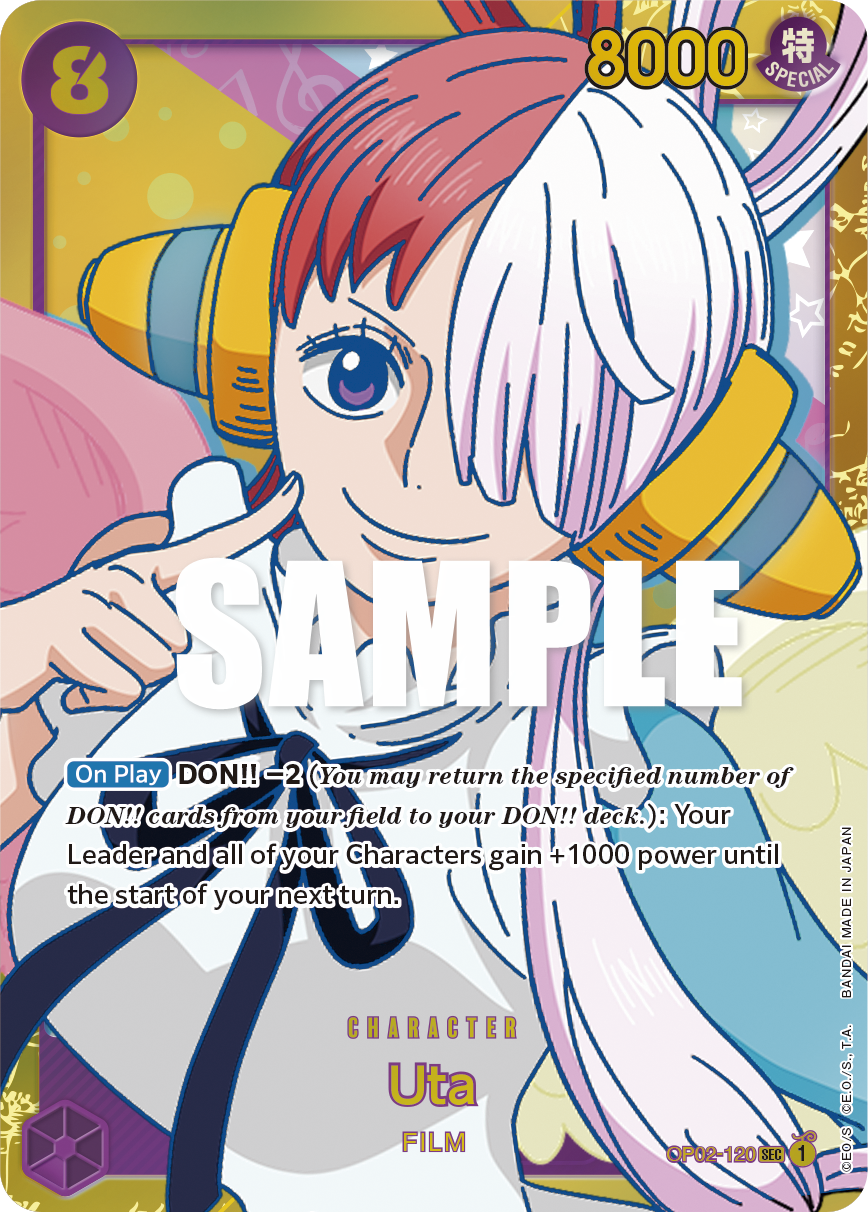
Uta
SEC
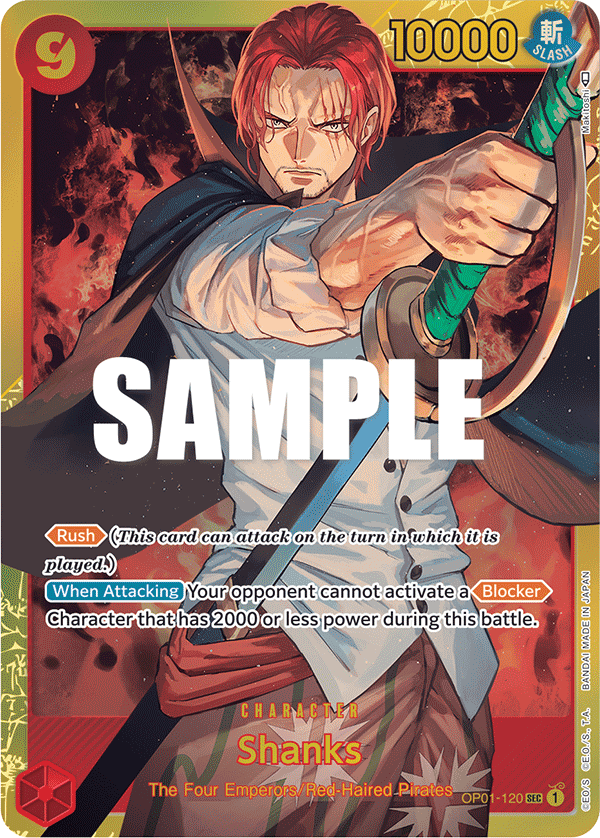
Shanks
SEC
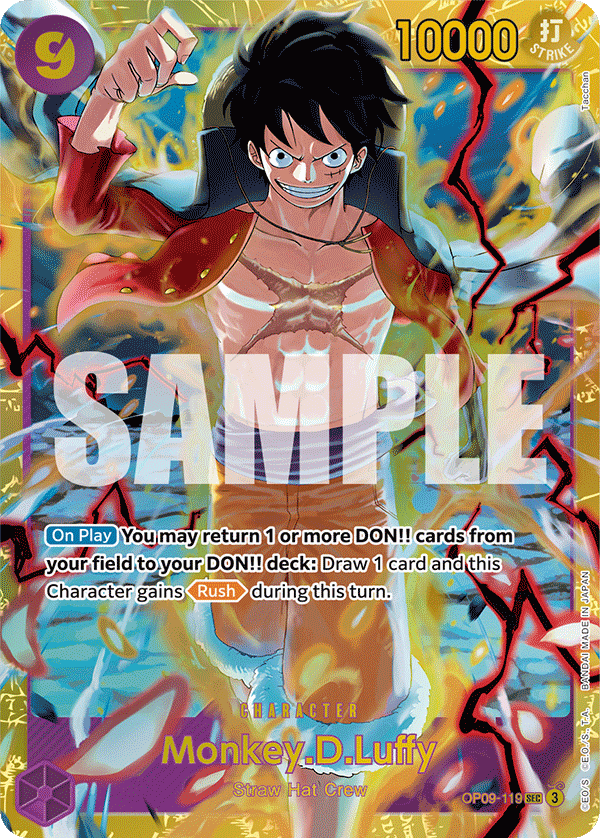
Monkey.D.Luffy (119)
SEC
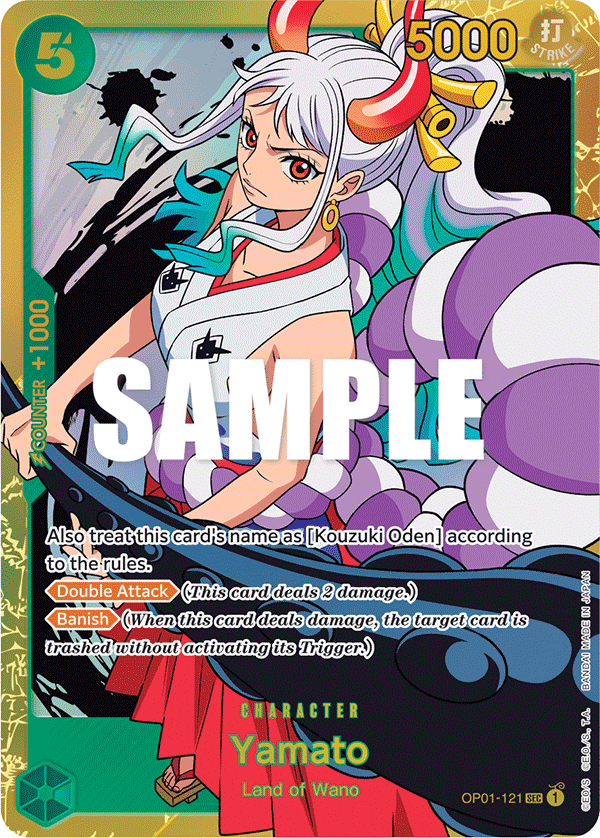
Yamato
SEC
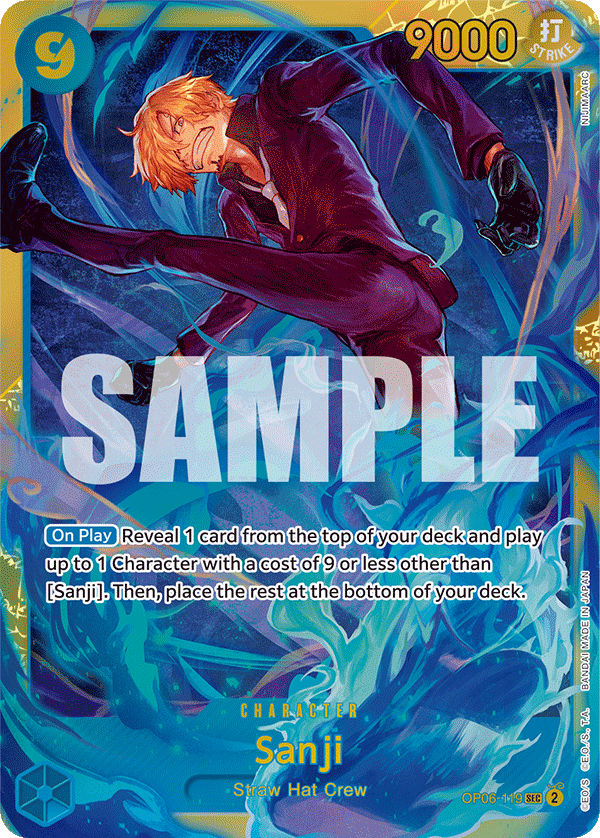
Sanji
SEC
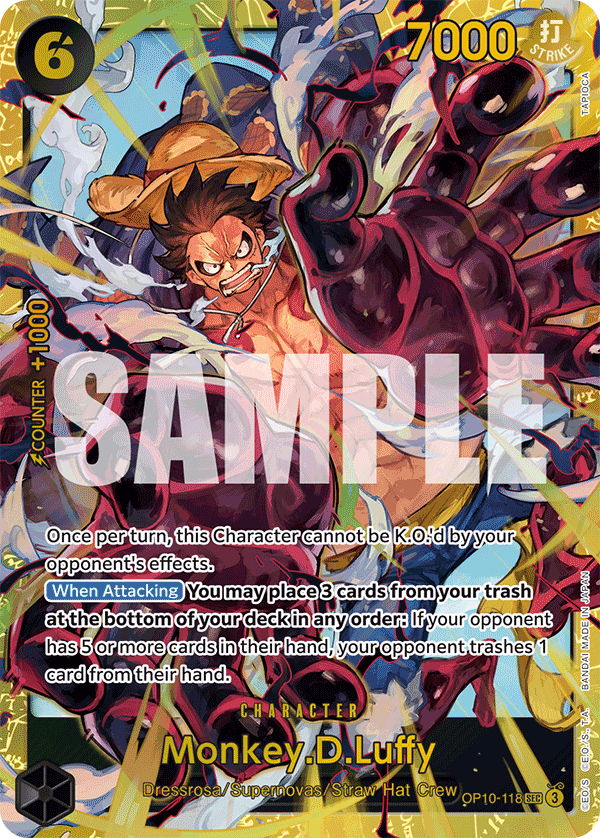
Monkey.D.Luffy (118)
SEC
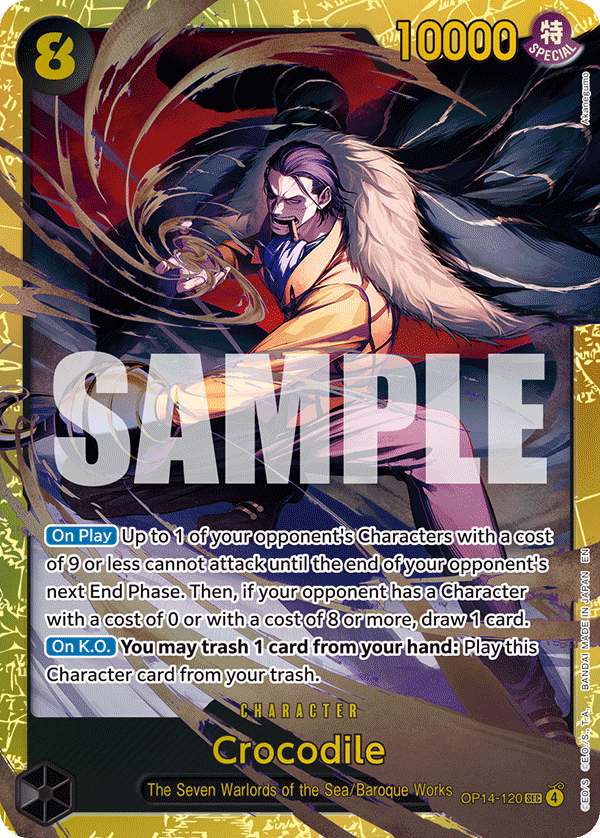
Crocodile - OP14-120
SEC
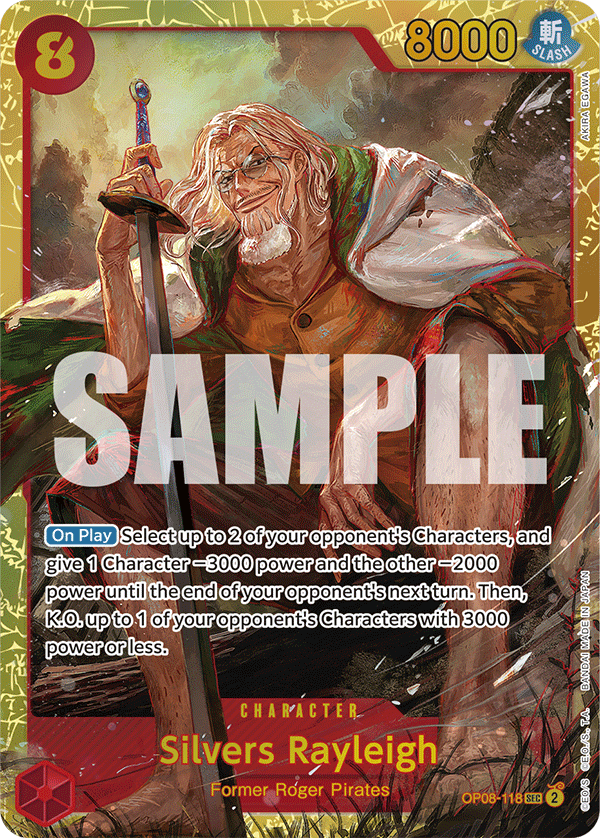
Silvers Rayleigh
SEC
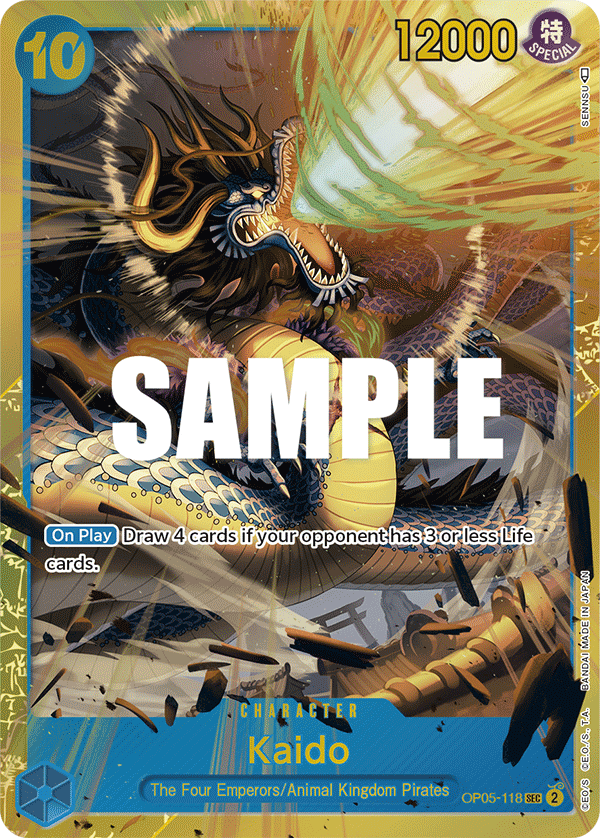
Kaido (118)
SEC
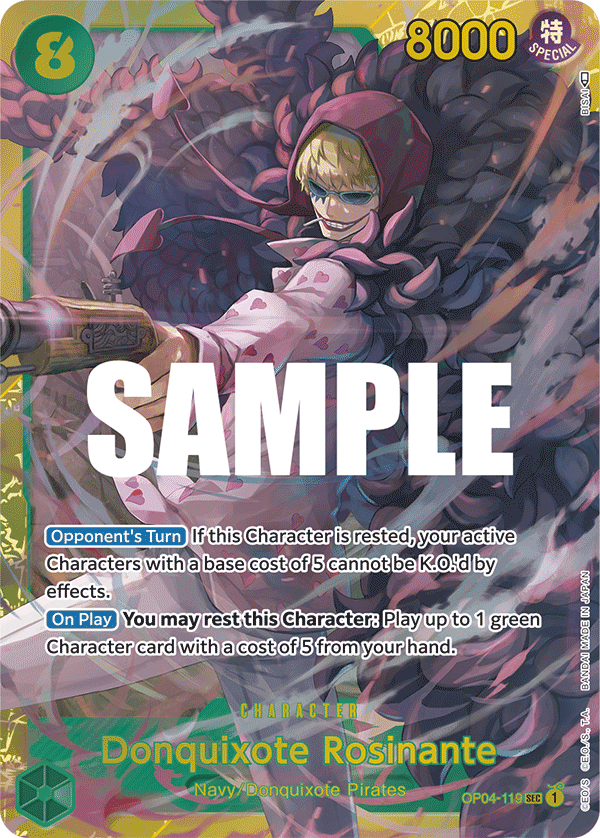
Donquixote Rosinante
SEC
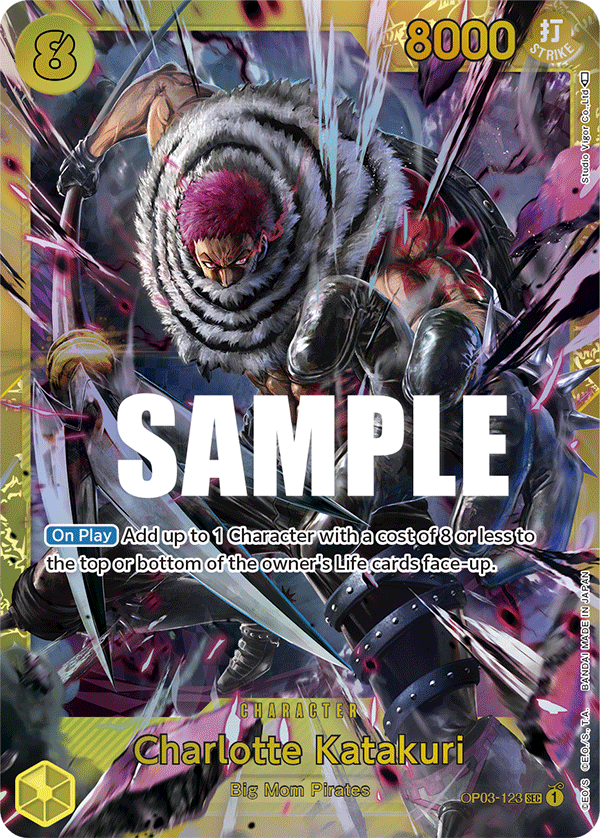
Charlotte Katakuri (123)
SEC
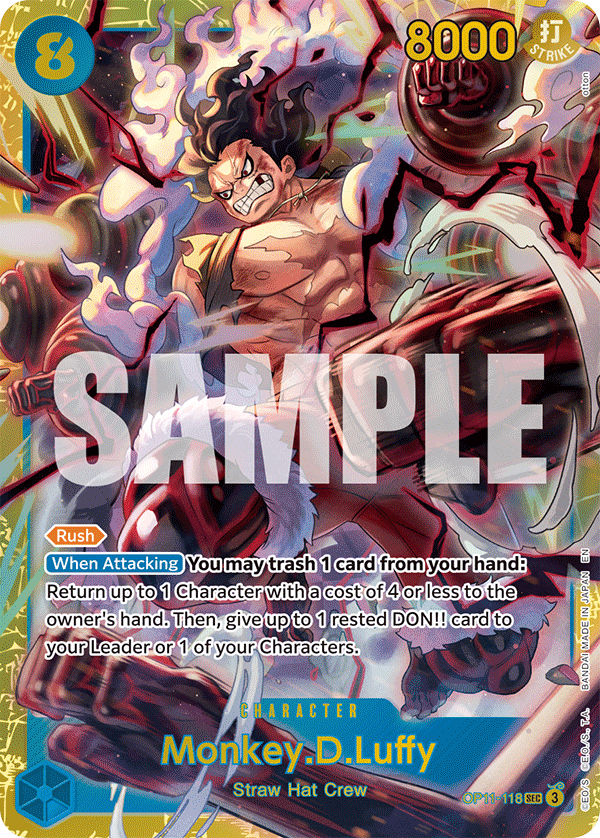
Monkey.D.Luffy (118)
SEC
About One Piece
The One Piece Card Game launched in 2022 by Bandai and quickly became one of the fastest-growing trading card games on the market. Based on Eiichiro Oda's legendary manga and anime series, the TCG captures the spirit of the Grand Line with its strategic gameplay and stunning card artwork drawn from decades of One Piece history.
The game introduces a unique Leader-based system where each deck is built around a Leader card representing a captain like Monkey D. Luffy, Trafalgar Law, or Roronoa Zoro. The color system (Red, Blue, Green, Purple, Black, and Yellow) defines each deck's play style, from aggressive rushdown to defensive control strategies.
Despite being relatively new, the One Piece TCG has developed a passionate competitive community with official Bandai tournaments held worldwide. The game's manga-quality art and connection to the beloved anime series have made certain cards — particularly alternate art Leaders and Secret Rare character cards — highly sought after by both collectors and fans.
How to Play
Each player starts with a Leader card and a 50-card deck. The goal is to reduce the opponent's Leader to 0 life by attacking with characters. On your turn, you attach one DON!! card (the game's energy resource) from your DON!! deck, then play characters, trigger events, and attack. Characters can attack the opponent's Leader or rested characters. The DON!! system provides increasing resources each turn (up to 10), creating a natural power curve. Managing your Leader's life cards is key — each life card lost goes to your hand, giving you more options but bringing you closer to defeat.
Read the full beginner's guide →Key Mechanics
Leader System
Every deck is commanded by a Leader card that stays on the field for the entire game. Leaders have unique abilities, a color identity that determines which cards can go in your deck, and a life total that serves as your health. Choosing the right Leader defines your entire strategy.
DON!! System
Each turn you gain DON!! cards (energy) from a separate 10-card deck, providing a predictable resource curve from 1 to 10. DON!! can be attached to characters to boost their power by 1000 each, or spent to play cards. This dual-use system creates interesting decisions between powering up attackers and playing new cards.
Life Cards
When your Leader takes damage, you move cards from your Life area to your hand. This means losing life actually gives you more cards to play with, creating a natural comeback mechanic. Some cards also have Trigger effects that activate for free when drawn as Life damage.
Counter System
Characters in your hand can be discarded during the opponent's attack to add their Counter value to your Leader's power, helping you survive attacks. This means every card in your hand has defensive value, making hand management crucial.
Color Identity
The six colors (Red, Blue, Green, Purple, Black, Yellow) each have distinct play styles. Red is aggressive, Blue controls the tempo, Green ramps DON!!, Purple manipulates costs, Black removes threats, and Yellow specializes in life manipulation and triggers.
Collecting Tips
- Starter decks are the best entry point and include exclusive Leader cards not available in booster packs.
- Alternate art and manga art variants are the most collectible cards, often worth significantly more than standard versions.
- The One Piece TCG has aggressive release schedules — new boosters launch frequently, so prices on current set singles tend to drop quickly after release.
- Look for Secret Rare and Special Art cards featuring iconic manga panels — these are the long-term collectible highlights of each set.
- Japanese cards are typically cheaper than English versions due to larger print runs. Some collectors prefer the Japanese art and card quality.
Frequently Asked Questions
How many cards are in a One Piece TCG deck?
A One Piece TCG deck consists of exactly 50 cards plus your Leader card and a separate 10-card DON!! deck. You may include up to 4 copies of any card (by card number). All cards in your deck must match or include the color of your Leader card.
What is the most valuable One Piece TCG card?
The most valuable cards are typically alternate art Leaders and Secret Rare character cards from early sets like Romance Dawn and Paramount War. Manga art variants featuring iconic panels from the series are particularly sought after, with top cards reaching $100-$500+ depending on the character and rarity.
Is the One Piece TCG good for beginners?
Yes, the One Piece TCG is one of the most beginner-friendly trading card games available. The DON!! resource system provides a clear power curve, starter decks are competitive and affordable, and the rules are straightforward compared to games like Yu-Gi-Oh! or Magic. The connection to the anime/manga also makes it easy to engage with the card themes.
What colors should I play in One Piece TCG?
Red is the most beginner-friendly color with aggressive, straightforward strategies. Blue suits players who like controlling the game tempo. Green is strong for those who enjoy ramp strategies. Purple, Black, and Yellow offer more complex play styles suited to experienced card game players.
How does attacking work in One Piece TCG?
Characters and your Leader can attack once per turn by resting (turning sideways). You can attack the opponent's Leader or their rested characters. The defending player can use Counter values from cards in hand to boost their power. If the attacker's power is equal to or greater than the defender's, the attack succeeds.